Newsletter Subscribe
Enter your email address below and subscribe to our newsletter
Enter your email address below and subscribe to our newsletter

 ByJohn A
A commercial kitchen is a fast-paced environment where cooking equipment continuously generates heat, smoke, grease particles, steam, and odors. Without an effective ventilation system, these contaminants can quickly build up, affecting air quality, employee comfort, and overall kitchen operations. Proper ventilation is not only essential for maintaining a productive workspace but also for supporting fire safety and meeting health regulations. An efficient kitchen exhaust system helps remove unwanted airborne contaminants while maintaining balanced airflow throughout the facility. It plays a vital role in creating a cleaner, safer, and more efficient commercial kitchen.
Choosing a reliable kitchen exhaust system is one of the most important decisions when designing or upgrading a commercial kitchen ventilation system. The right solution improves operational efficiency, supports regulatory compliance, and helps maintain consistent indoor air quality.
Commercial kitchens operate under demanding conditions where multiple cooking appliances release significant amounts of heat and airborne contaminants throughout the day. Without proper ventilation, these pollutants remain trapped indoors, making the kitchen uncomfortable and reducing the effectiveness of the overall HVAC system. A well-designed kitchen ventilation system continuously removes contaminated air while introducing fresh replacement air. This creates a healthier indoor environment and supports smooth kitchen operations.
Cooking processes generate airborne grease, water vapor, smoke, and high temperatures that can affect both equipment and indoor conditions. If these contaminants are not removed efficiently, they can accumulate on ceilings, walls, ductwork, and kitchen equipment. Excessive heat may also increase cooling requirements, resulting in higher energy consumption. Maintaining proper airflow helps reduce these challenges while improving the overall working environment.
Common ventilation challenges include:
An inefficient ventilation system can affect several aspects of kitchen performance. Poor air circulation may reduce employee comfort, increase equipment stress, and make routine maintenance more difficult. Proper exhaust ventilation removes contaminated air before it spreads throughout the kitchen, creating a cleaner and more controlled environment. Effective airflow also helps maintain consistent indoor conditions that support efficient food preparation.
Some common impacts of inadequate ventilation include:
See also: Why Professional Geelong Movers Make Relocating Easier and More Efficient
A kitchen exhaust system is a specialized ventilation solution designed to capture and remove heat, smoke, grease particles, steam, and cooking odors produced during food preparation. It continuously extracts contaminated air from the cooking area and safely discharges it outside the building. At the same time, fresh replacement air is supplied to maintain balanced air pressure and comfortable indoor conditions. This process helps create a cleaner, healthier, and safer kitchen environment while supporting efficient HVAC performance.
Modern commercial kitchen exhaust systems are engineered to deliver reliable airflow, effective grease removal, and consistent ventilation. Their design ensures that airborne contaminants are removed directly from the source before they spread across the kitchen.
Every commercial kitchen exhaust system consists of several components that work together to provide efficient ventilation. Each element has a specific function that contributes to the overall performance of the system.
Key components include:
Each component must be properly sized and integrated to ensure consistent airflow and long-term reliability.
A kitchen exhaust system follows a continuous ventilation process that removes airborne contaminants while maintaining balanced indoor air pressure. The process begins at the cooking area, where the exhaust hood captures rising heat, grease particles, smoke, and steam. These contaminants are then transported through grease filters and ductwork before being discharged outdoors. Simultaneously, fresh make up air is introduced to replace the exhausted air and stabilize indoor conditions.
This controlled airflow improves indoor air quality while helping the kitchen operate more efficiently.
The exhaust hood is positioned above cooking equipment to capture contaminants as they are generated. This immediate collection minimizes the spread of smoke and grease throughout the kitchen. Efficient capture also reduces the accumulation of airborne particles on surrounding surfaces. Proper hood design plays a significant role in overall ventilation effectiveness.
Once captured, the contaminated air passes through grease filters that separate grease particles from the airflow. The exhaust fan then moves the filtered air through the duct system before safely discharging it outside the building. This continuous process helps maintain cleaner indoor air while reducing grease buildup within the ventilation system.
Facilities that require advanced thermal energy recovery for specialized industrial or marine applications may also benefit from solutions such as a marine heat exchanger, which is designed to improve energy efficiency in demanding environments.
As contaminated air leaves the kitchen, an equal amount of fresh outdoor air must enter the space. Make up air units introduce conditioned replacement air to maintain balanced pressure and comfortable working conditions. Proper air balance also prevents negative pressure, which can interfere with equipment performance and building ventilation.
Balanced airflow is essential for maintaining ventilation efficiency throughout the kitchen. Proper coordination between exhaust and supply air helps stabilize indoor temperatures while supporting efficient operation of the HVAC system. Consistent airflow also contributes to better employee comfort and improved energy performance.
A kitchen exhaust system performs much more than basic ventilation. It helps maintain a clean indoor environment while supporting operational efficiency, employee safety, and regulatory compliance. By continuously removing airborne contaminants, the system creates conditions that are suitable for commercial food preparation while protecting HVAC equipment from excessive grease and moisture.
An effective kitchen exhaust solution contributes to long-term operational performance by maintaining consistent airflow and reducing unnecessary stress on ventilation equipment.
Removing smoke, grease particles, cooking odors, and excess moisture helps maintain cleaner indoor air. Better air quality contributes to a healthier kitchen environment and supports consistent ventilation throughout the facility.
Commercial cooking equipment generates large amounts of heat and moisture. Efficient exhaust ventilation removes this excess heat before it accumulates indoors, allowing cooling systems to operate more effectively.
Grease particles can settle on kitchen surfaces, ventilation ducts, and equipment if they are not captured efficiently. High-quality grease filtration reduces buildup and simplifies routine cleaning while supporting safer kitchen operation.
Facilities that require advanced humidity management alongside ventilation systems often integrate technologies such as a passive desiccant wheel to improve moisture control and enhance overall indoor air quality.
Removing grease-laden air from cooking areas helps reduce the accumulation of combustible grease deposits inside the ventilation system. Cleaner ductwork contributes to safer operation and supports fire prevention strategies within commercial kitchens.
Maintaining consistent temperatures, reducing odors, and improving air circulation helps create a more comfortable workspace. Proper ventilation supports employee productivity while allowing kitchen operations to continue without unnecessary environmental challenges.
An efficient kitchen exhaust system works alongside the building’s HVAC infrastructure to maintain balanced airflow. Proper ventilation reduces unnecessary cooling demand and supports more efficient energy use across the facility.
Commercial kitchen ventilation delivers long-term operational advantages that extend beyond air quality. A properly designed system improves equipment performance, simplifies maintenance, and supports consistent indoor conditions throughout the kitchen. By controlling airborne contaminants at their source, ventilation systems contribute to cleaner operations while helping facilities meet modern safety expectations.
Major benefits include:
Commercial kitchens have different ventilation requirements depending on their size, cooking methods, equipment layout, and operational capacity. Selecting the right kitchen exhaust system ensures efficient removal of heat, smoke, grease, and cooking odors while maintaining balanced airflow. Understanding the available system types helps designers, consultants, and facility owners choose a solution that meets both operational and regulatory requirements.
Each kitchen should be evaluated based on airflow demand, cooking load, and available installation space before selecting an exhaust system.
Wall mounted kitchen exhaust systems are installed directly above cooking equipment positioned against a wall. They are commonly used where the cooking line is arranged in a single direction and can effectively capture heat, grease, and smoke at the source. Their compact design makes them suitable for kitchens with limited ceiling space while providing efficient extraction performance. Proper sizing and airflow calculations are essential to ensure effective contaminant capture and balanced ventilation.
Island exhaust systems are designed for cooking stations located away from walls. Since these cooking areas are exposed on all sides, the exhaust hood must provide complete coverage to capture airborne contaminants efficiently. These systems are engineered to maintain uniform airflow and prevent heat or grease from spreading into surrounding spaces. Their design supports larger cooking areas where multiple appliances operate simultaneously.
Ducted kitchen exhaust systems use an enclosed network of ducts to transport contaminated air from the exhaust hood to the outside environment. This configuration allows grease laden air, smoke, and excess heat to be removed safely and efficiently. Proper duct design minimizes airflow resistance and supports consistent ventilation performance throughout the kitchen. Regular inspection and maintenance also help maintain long term system reliability.
Large commercial kitchens often require customized ventilation systems that address unique operational needs. Factors such as equipment arrangement, cooking intensity, ceiling height, and building design influence the final system configuration. Custom engineered solutions ensure that airflow, filtration, and make up air systems work together to achieve optimal performance. This approach also allows better integration with the overall HVAC infrastructure.
Kitchen exhaust systems are essential wherever commercial food preparation takes place. Every professional kitchen generates heat, moisture, grease, and airborne contaminants that require continuous removal to maintain a safe and productive environment. Proper ventilation supports operational efficiency while helping maintain indoor air quality and equipment performance.
These systems are widely installed in:
Although the operational requirements differ across facilities, the primary objective remains the same, which is to maintain effective ventilation while creating a cleaner indoor environment.
Selecting the right kitchen exhaust system requires careful evaluation of several technical and operational factors. A properly designed system should remove contaminants efficiently while maintaining balanced airflow and supporting long term operational reliability. Every commercial kitchen has different ventilation requirements based on equipment, occupancy, and cooking processes. Choosing the appropriate solution helps improve overall system performance while reducing maintenance requirements.
The physical layout of the kitchen directly influences exhaust system design. Cooking equipment placement, ceiling height, and available installation space determine the type of exhaust hood and duct configuration required. Proper system design ensures complete coverage of cooking areas while maintaining efficient airflow.
Different cooking appliances generate varying levels of heat, grease, and smoke. Fryers, grills, ovens, and ranges each require different ventilation capacities. Understanding the total heat load helps determine the airflow needed to remove contaminants effectively without over sizing the system.
Adequate airflow is one of the most important considerations when selecting a kitchen exhaust system. The exhaust fan must provide sufficient extraction while maintaining proper indoor air balance. Insufficient airflow reduces ventilation efficiency, while excessive airflow may increase energy consumption unnecessarily.
Grease filters play an important role in preventing grease accumulation inside the ductwork. High efficiency filtration improves system cleanliness, supports safer operation, and simplifies routine maintenance. Selecting the appropriate filter type contributes to long term ventilation performance.
Modern commercial kitchens increasingly focus on reducing energy consumption without compromising ventilation quality. Efficient exhaust systems help optimize airflow while working alongside the building’s HVAC system to reduce unnecessary energy demand. Well engineered ventilation solutions support sustainable building operations and improved equipment performance.
Routine maintenance is essential for maintaining ventilation efficiency and extending equipment life. Choosing a system with accessible filters, inspection points, and service friendly components simplifies regular maintenance activities. Proper maintenance also helps preserve consistent airflow and reliable operation over time.
Important factors to evaluate when selecting a kitchen exhaust system include:
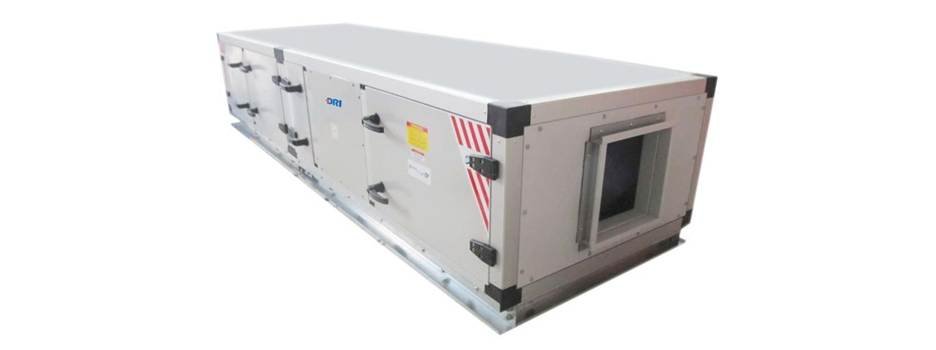
Commercial kitchens require ventilation systems that deliver reliable airflow, effective grease management, and long term operational performance. Desiccant Rotors International designs advanced kitchen exhaust solutions that address these requirements while supporting energy efficient building operation. Every system is developed with a focus on engineering excellence, dependable performance, and integration with modern commercial HVAC infrastructure.
DRI kitchen exhaust systems are designed to maintain consistent airflow across demanding commercial environments. Their engineered approach focuses on efficient contaminant removal while supporting balanced ventilation throughout the kitchen. Proper air movement contributes to improved indoor air quality and more comfortable working conditions.
Effective grease removal is essential for maintaining clean ductwork and supporting safe kitchen operations. DRI systems are designed to optimize airflow while efficiently capturing grease laden air before it enters the exhaust network. This helps improve overall system reliability and simplifies long term maintenance.
Operational efficiency depends on equipment that delivers consistent performance under continuous use. DRI develops ventilation systems that support energy conscious operation while maintaining reliable airflow and effective contaminant removal. Their solutions are suitable for a wide range of commercial kitchen applications requiring dependable ventilation performance.
For expert guidance in selecting the right commercial kitchen ventilation solution for your facility, contact Desiccant Rotors International. Their engineering team can help you identify a kitchen exhaust system that matches your operational requirements, ventilation goals, and long term performance expectations.
A kitchen exhaust system is a critical part of every commercial kitchen because it helps maintain clean indoor air, removes heat and grease, supports fire safety, and improves overall operational efficiency. By continuously extracting airborne contaminants and maintaining balanced airflow, these systems create a safer and more comfortable environment for kitchen operations. Choosing the right exhaust solution requires careful consideration of airflow capacity, kitchen layout, equipment type, and long term maintenance requirements. A well engineered ventilation system not only supports regulatory compliance but also contributes to better energy efficiency and reliable HVAC performance. Partnering with an experienced manufacturer such as Desiccant Rotors International ensures access to advanced kitchen ventilation solutions that are designed for durability, efficiency, and dependable long term operation.
A kitchen exhaust system is important because it removes heat, smoke, grease particles, steam, and cooking odors from commercial kitchens. It helps maintain better indoor air quality, supports fire safety, improves employee comfort, and creates a cleaner working environment. Proper ventilation also reduces the workload on HVAC systems and supports compliance with commercial kitchen ventilation requirements.
A kitchen exhaust system captures airborne contaminants through an exhaust hood positioned above cooking equipment. The contaminated air passes through grease filters and ductwork before being discharged outside the building by an exhaust fan. At the same time, a make up air system supplies fresh outdoor air to maintain balanced air pressure and ensure efficient ventilation throughout the kitchen.
Commercial kitchen ventilation offers several important benefits, including:
Selecting the right kitchen exhaust unit depends on several factors, including the kitchen layout, cooking equipment, airflow requirements, grease filtration efficiency, and energy performance goals. It is also important to consider maintenance accessibility and compatibility with the existing HVAC system. Working with an experienced ventilation specialist helps ensure the system is properly designed for long term performance.
Routine maintenance should be performed according to the kitchen’s operating schedule and applicable maintenance guidelines. Regular inspection of grease filters, exhaust fans, ductwork, and airflow components helps maintain efficient operation and reduces grease buildup. Preventive maintenance also extends equipment life and ensures consistent ventilation performance.