Newsletter Subscribe
Enter your email address below and subscribe to our newsletter
Enter your email address below and subscribe to our newsletter

 ByJohn A
Large manufacturing facilities depend on compressed air for production equipment, automation systems, pneumatic tools, and critical industrial processes. However, compressed air naturally contains moisture that can damage equipment, reduce efficiency, and increase maintenance costs if it is not properly removed. A high capacity desiccant air dryer is designed to eliminate moisture from high volume compressed air systems while maintaining a consistently low pressure dew point. This ensures clean, dry compressed air reaches every part of the production process, supporting reliable operations and protecting valuable equipment. Understanding how these dryers work helps factory owners and industrial engineers choose the right compressed air treatment solution for long term productivity.
For industrial facilities that require dependable moisture removal, a high capacity desiccant air dryer for factories provides reliable compressed air treatment for high flow industrial applications.
High capacity desiccant air dryers are engineered to handle large volumes of compressed air while delivering consistently low moisture levels. Unlike standard compressed air dryers, these systems are designed for factories with continuous production schedules and high air consumption. They use advanced adsorption technology to remove water vapor before compressed air reaches downstream equipment.
Reliable moisture removal improves compressed air quality while supporting efficient production across demanding industrial environments.
A high capacity desiccant air dryer is an industrial compressed air treatment system designed to remove moisture from high flow compressed air systems. It uses highly absorbent desiccant materials to capture water vapor through the adsorption process. Once the desiccant becomes saturated, it is regenerated so the drying cycle can continue without interrupting the compressed air supply.
Its primary functions include:
These features make high capacity desiccant dryers suitable for large manufacturing facilities where moisture free compressed air is essential.
Factories operating multiple production lines require a continuous supply of dry compressed air. High moisture levels can interfere with pneumatic equipment, automation systems, and manufacturing processes, resulting in reduced productivity and increased maintenance requirements. High capacity dryers are specifically designed to support these demanding operating conditions.
Their ability to process large air volumes ensures stable compressed air quality even during peak production periods.
Dry compressed air contributes directly to equipment reliability and manufacturing efficiency. Moisture free air protects pneumatic systems, reduces component wear, and minimizes contamination throughout production. Maintaining consistent air quality also helps improve product quality while reducing operational interruptions.
Industries that rely heavily on automated production benefit significantly from installing properly sized compressed air treatment systems.
See also: Why Professional Geelong Movers Make Relocating Easier and More Efficient
High capacity desiccant air dryers remove moisture using the adsorption process. Compressed air passes through a drying chamber filled with desiccant material that attracts and retains water vapor. While one chamber dries the compressed air, another chamber undergoes regeneration to restore its moisture removal capability. This alternating operation allows the dryer to provide a continuous supply of dry compressed air without interrupting factory operations.
Modern high capacity dryers combine advanced controls with efficient regeneration technology to deliver reliable drying performance while minimizing energy consumption.
Adsorption is a physical process where moisture molecules adhere to the surface of the desiccant material. As compressed air flows through the dryer, water vapor is captured while clean, dry air continues toward downstream equipment.
The adsorption cycle typically includes:
This process delivers consistently dry compressed air suitable for moisture sensitive industrial applications.
Regeneration restores the desiccant after it becomes saturated with moisture. During this stage, accumulated water is removed so the desiccant can continue providing effective drying. Automatic regeneration allows continuous operation while maintaining stable compressed air quality throughout the production cycle.
Many industrial facilities also use commercial compressed air dryer systems for applications where refrigerated drying meets operational requirements. Selecting the right drying technology depends on the required pressure dew point and production environment.
Pressure dew point indicates the temperature at which moisture begins condensing from compressed air under operating pressure. High capacity desiccant dryers maintain very low pressure dew points that prevent condensation throughout the compressed air system. Stable pressure dew points improve equipment protection while maintaining consistent manufacturing performance.
Several integrated components work together to provide reliable moisture removal and continuous operation.
The primary components include:
Each component contributes to efficient moisture removal while supporting dependable long term compressed air treatment.
Installing a high capacity desiccant air dryer provides significant operational advantages for factories with high compressed air demand. Consistent moisture removal improves production efficiency, protects expensive equipment, and reduces maintenance costs. These benefits contribute to improved factory productivity while supporting reliable industrial operations.
High capacity desiccant dryers deliver exceptionally dry compressed air by removing moisture before it reaches downstream equipment. This protects production systems from corrosion, contamination, and condensation related problems that could otherwise affect manufacturing efficiency.
Reliable moisture removal provides several advantages:
Effective compressed air treatment forms the foundation of efficient factory operations.
Clean, dry compressed air allows pneumatic equipment and automated production systems to perform consistently throughout daily operations. Reducing moisture related interruptions improves equipment availability while helping manufacturers maintain stable production schedules.
Facilities with demanding compressed air requirements may also benefit from advanced solutions such as a regenerative compressor air dryer, which offers efficient regeneration for high volume industrial applications.
Compressed air travels through an extensive network of pipelines, valves, pneumatic cylinders, instruments, and production machinery before reaching the point of use. Moisture present within this network can gradually damage these components through corrosion, contamination, and internal wear. A high capacity desiccant air dryer removes moisture before it enters the distribution system, protecting valuable equipment and improving overall system reliability.
Protecting downstream equipment offers several operational benefits:
This level of protection helps factories maintain consistent production while lowering long term maintenance expenses.
Equipment failures caused by moisture often result in production delays and expensive repairs. High capacity desiccant air dryers reduce these risks by supplying consistently dry compressed air throughout the facility. Preventive moisture removal decreases the frequency of maintenance activities while improving equipment availability.
Lower downtime provides several advantages:
Reliable compressed air treatment contributes directly to smoother factory operations.
Modern high capacity desiccant air dryers are engineered to optimize drying performance while minimizing energy consumption. Intelligent control systems regulate regeneration cycles according to operating conditions, helping reduce unnecessary energy use without compromising air quality. Efficient operation supports both cost savings and sustainable manufacturing practices.
Maintaining a consistently low pressure dew point improves the long term reliability of compressed air systems. Dry compressed air reduces corrosion, prevents moisture related failures, and supports dependable operation across all connected equipment. Reliable air quality also contributes to better production consistency and longer equipment life.
High capacity desiccant air dryers are widely used in industries where large volumes of clean, dry compressed air are required for continuous production. These facilities often operate around the clock and depend on compressed air systems that deliver stable performance under demanding conditions.
Automotive production relies heavily on pneumatic tools, robotic automation, painting systems, and assembly equipment. Dry compressed air helps maintain production accuracy while protecting sensitive machinery from moisture damage.
Pharmaceutical manufacturing requires moisture free compressed air to maintain product quality and support hygienic production processes. Consistent air quality also helps manufacturers comply with strict industry standards.
Food processing facilities use compressed air for packaging, conveying, automation, and process control. Moisture removal reduces the risk of contamination while supporting efficient production.
Chemical processing plants require dependable compressed air for instrumentation, automation, and production systems. Maintaining low moisture levels improves operational safety and protects valuable equipment.
Electronics manufacturing involves precision equipment that must operate in controlled environments. Dry compressed air helps prevent moisture related issues that could affect sensitive production processes.
Heavy engineering facilities use compressed air for machining, fabrication, material handling, and automated production. High capacity dryers support these demanding applications by maintaining consistent compressed air quality.
Industries benefiting from high capacity desiccant dryers include:
Selecting the right dryer requires understanding both current production requirements and future operational needs. Proper equipment sizing ensures reliable moisture removal while maximizing energy efficiency and minimizing operating costs.
The dryer should be selected according to the maximum compressed air demand of the facility. Choosing the correct capacity ensures the system can supply dry compressed air during peak production without performance limitations.
Different industrial processes require different levels of compressed air dryness. Applications involving sensitive equipment or critical manufacturing processes generally require lower pressure dew points than general industrial operations.
The operating pressure of the compressed air system influences dryer selection. Matching the dryer to the system design improves efficiency while ensuring stable performance across varying production conditions.
Modern dryers include advanced control systems, optimized regeneration methods, and efficient airflow management that help reduce energy consumption. Evaluating these features contributes to lower operating costs throughout the equipment lifecycle.
Maintenance requirements should also be considered during equipment selection. Choosing a dryer with accessible components, dependable controls, and durable construction reduces long term servicing costs while improving equipment reliability.
Important selection factors include:
Routine maintenance helps ensure high capacity desiccant air dryers continue delivering reliable moisture removal throughout their service life. Preventive maintenance reduces unexpected failures while maintaining compressed air quality.
Regular inspections help identify developing issues before they affect dryer performance. Inspecting valves, controls, filters, and piping supports reliable long term operation.
The desiccant material gradually loses its effectiveness after extended use. Replacing desiccant at recommended intervals maintains efficient moisture removal and stable pressure dew points.
Air filters protect the desiccant from contamination by removing oil, dust, and particles before compressed air enters the drying vessels. Clean filters improve both dryer efficiency and desiccant lifespan.
Monitoring pressure dew point verifies that the dryer continues meeting compressed air quality requirements. Sudden changes may indicate maintenance or component replacement is necessary.
Developing a preventive maintenance schedule allows inspections and servicing to be completed before operational problems occur. Planned maintenance improves reliability while reducing unplanned downtime.
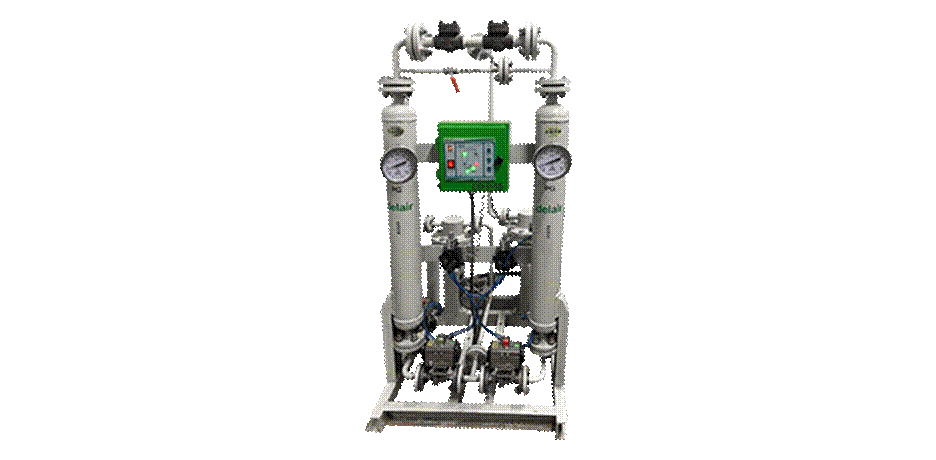
Delair India designs compressed air treatment solutions that meet the demanding requirements of large industrial facilities. The Delpet Series DD-P high capacity desiccant air dryers deliver dependable moisture removal, efficient regeneration, and reliable long term performance across high flow compressed air applications.
The Delpet Series DD-P is engineered to manage large compressed air volumes while maintaining a consistently low pressure dew point. This makes it well suited for factories operating continuous production lines and large scale manufacturing processes.
Advanced adsorption technology ensures dependable moisture removal under varying operating conditions. Stable compressed air quality protects downstream equipment while supporting efficient production.
Robust construction, quality components, and efficient regeneration systems help reduce operating costs while delivering long service life. These features provide manufacturers with reliable compressed air treatment and improved operational efficiency.
To learn more about selecting the right high capacity compressed air drying solution for your facility, contact Delair India Pvt Ltd. Their specialists can recommend the most suitable system based on your compressed air requirements, production goals, and operating conditions.
A high capacity desiccant air dryer is an industrial compressed air treatment system designed to remove moisture from large volumes of compressed air. It uses adsorption technology and regenerative desiccant material to achieve a consistently low pressure dew point. These dryers are ideal for factories that require continuous supplies of clean, dry compressed air for production and automation systems.
High capacity desiccant air dryers work by passing compressed air through a vessel filled with desiccant material that captures water vapor. While one chamber dries the compressed air, another chamber regenerates the desiccant by removing the accumulated moisture. This alternating process ensures an uninterrupted supply of dry compressed air for industrial operations.
High capacity compressed air dryers are widely used in industries where moisture free compressed air is essential, including:
These industries rely on dry compressed air to protect equipment, improve product quality, and maintain efficient production processes.
Pressure dew point is the temperature at which moisture begins to condense from compressed air at operating pressure. A lower pressure dew point indicates drier compressed air, which helps prevent condensation, corrosion, and moisture related equipment damage. High capacity desiccant air dryers are designed to maintain low pressure dew points for demanding industrial applications.
Desiccant air dryers improve factory productivity by supplying clean, dry compressed air that protects downstream equipment and minimizes moisture related disruptions. Their key benefits include:
High capacity desiccant air dryers play an essential role in maintaining clean, dry compressed air for large industrial facilities. By effectively removing moisture and maintaining a consistent pressure dew point, these systems protect downstream equipment, reduce maintenance requirements, and improve factory productivity. They also help enhance energy efficiency, extend equipment life, and support uninterrupted manufacturing operations across demanding industries. Selecting the right high capacity dryer based on air flow, operating pressure, and production requirements ensures reliable long term performance. Delair India’s Delpet Series DD-P high capacity desiccant air dryers provide an efficient and dependable solution for factories seeking superior compressed air quality and lasting operational reliability.