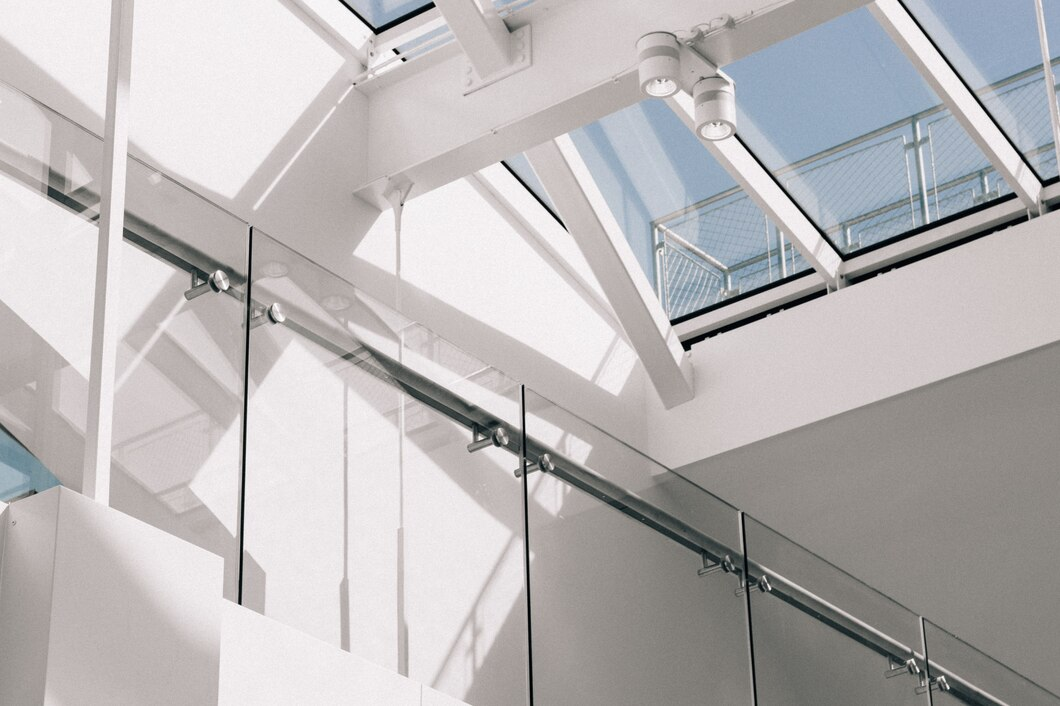

A fixed flat roof skylight is an excellent way to bring natural daylight into your home while creating a bright, open, and welcoming living space. Unlike opening skylights, fixed models are designed to remain sealed, making them a low maintenance and energy efficient option for modern homes, extensions, offices, and commercial buildings.
Although a fixed flat roof skylight requires less upkeep than ventilated alternatives, regular maintenance is still essential. Proper care helps preserve its appearance, improve energy efficiency, prevent leaks, and extend its lifespan. By following a few simple maintenance practices, homeowners can ensure their fixed flat roof skylight continues to perform efficiently and provide lasting natural light for many years.
Why Regular Maintenance Matters
Many people assume that because a fixed flat roof skylight has no moving parts, it requires little attention. While it is true that there are fewer components to maintain, the skylight is constantly exposed to rain, sunlight, dirt, leaves, snow, and changing temperatures.
Routine maintenance offers several important benefits:
- Keeps the glass clean for maximum natural light.
- Helps identify small issues before they become costly repairs.
- Protects seals and flashing from deterioration.
- Prevents water damage and leaks.
- Extends the overall life of the skylight.
- Maintains the aesthetic appeal of your property.
Taking a proactive approach is far more affordable than repairing water damage or replacing damaged glazing.
Clean the Glass Regularly
One of the easiest ways to maintain a fixed flat roof skylight is by keeping the glass clean. Dirt, bird droppings, pollen, and airborne debris gradually build up on the surface, reducing the amount of sunlight entering your home.
For effective cleaning:
- Use warm water with a mild soap solution.
- Clean with a soft sponge or microfiber cloth.
- Rinse thoroughly using clean water.
- Dry with a lint free cloth if accessible.
Avoid abrasive cleaning pads, strong chemical cleaners, or pressure washers, as these can damage protective coatings or scratch the glass.
Cleaning your skylight two to four times a year is generally sufficient, although homes surrounded by trees may require more frequent attention.
Inspect the Skylight Frame
The frame plays an important role in protecting your skylight from moisture and weather exposure. During routine inspections, check for:
- Cracks
- Warping
- Corrosion
- Paint deterioration
- Signs of water penetration
Modern aluminium frames are highly durable, but regular inspections help identify minor issues before they become more serious.
If you notice any visible damage, arrange professional repairs promptly to prevent further deterioration.
Check the Roof Surrounding the Skylight
Sometimes problems that appear to come from the skylight actually originate from the surrounding roofing materials.
Inspect the roof around the skylight for:
- Damaged roofing membranes
- Loose roofing materials
- Standing water
- Blocked drainage areas
- Signs of moss or algae growth
A well maintained roof works together with the skylight to provide effective weather protection.
Remove Leaves and Debris
Flat roofs naturally collect debris over time. Leaves, twigs, dirt, and moss can accumulate around the skylight frame, preventing proper drainage.
When debris builds up:
- Water may pool around the skylight.
- Moisture can remain trapped for extended periods.
- Drainage systems become blocked.
- Roof materials may deteriorate faster.
Regularly removing debris helps minimise these risks and supports efficient water runoff.
Inspect Flashing and Waterproof Seals
Flashing forms the waterproof connection between the skylight and the roof surface. It is one of the most important components for preventing leaks.
Look for:
- Loose flashing
- Rust or corrosion
- Cracked sealants
- Gaps around the skylight
- Water stains inside the property
If any problems are identified, avoid temporary DIY repairs. Professional installation standards are important for maintaining a watertight seal.
Watch for Condensation
Some condensation is normal during certain weather conditions, particularly in kitchens and bathrooms. However, excessive moisture may indicate ventilation or insulation issues.
Signs to monitor include:
- Persistent condensation
- Water droplets on interior glass
- Damp ceiling areas
- Mould growth nearby
Reducing indoor humidity through extractor fans, improved ventilation, or dehumidifiers can help minimise condensation.
Examine Interior Ceilings
Regularly inspect the ceiling surrounding your skylight.
Watch for:
- Water stains
- Peeling paint
- Damp patches
- Cracked plaster
- Discolouration
These warning signs may indicate hidden leaks that should be investigated before they cause structural damage.
Early detection usually results in less expensive repairs.
Protect the Glass from Impact
Although modern skylights use toughened or laminated safety glass, avoiding unnecessary impact helps preserve their condition.
Avoid:
- Standing on the skylight
- Dropping tools during roof maintenance
- Placing heavy equipment nearby
- Allowing tree branches to scrape the glass
Trim overhanging branches to reduce debris accumulation and minimise the risk of storm damage.
Schedule Professional Inspections
While routine visual inspections can be carried out by homeowners, professional inspections provide greater peace of mind.
An experienced roofing or skylight specialist can assess:
- Flashing integrity
- Roof waterproofing
- Structural movement
- Seal performance
- Glazing condition
- Installation quality
Annual inspections are particularly beneficial for older properties or skylights exposed to severe weather conditions.
Avoid Using Harsh Cleaning Products
Many homeowners unintentionally damage skylight surfaces by using unsuitable cleaning products.
Avoid:
- Bleach based cleaners
- Abrasive powders
- Solvent based chemicals
- Metal scrapers
- Steel wool pads
Instead, choose products specifically recommended for architectural glass.
Gentle cleaning preserves protective coatings and maintains long term clarity.
Monitor Weather Damage
Extreme weather can gradually affect even high quality skylights.
Following storms, inspect for:
- Cracked glass
- Loose flashing
- Wind lifted roofing materials
- Impact damage from falling branches
- Water pooling around the skylight
Prompt inspections after severe weather allow any damage to be addressed before it worsens.
Ensure Proper Drainage
One of the biggest challenges for flat roofs is effective water drainage.
Regularly check:
- Roof outlets
- Gutters
- Downpipes
- Drainage channels
Keeping drainage systems clear helps prevent standing water, which places unnecessary pressure on roofing materials and skylight seals.
Create a Simple Maintenance Schedule
Following a routine maintenance plan makes caring for your skylight straightforward.
| Maintenance Task | Recommended Frequency |
| Clean skylight glass | Every 3 to 6 months |
| Remove roof debris | Every 2 to 3 months |
| Inspect flashing | Twice a year |
| Check interior ceilings | Monthly |
| Inspect after severe storms | As needed |
| Professional inspection | Once a year |
A simple maintenance routine reduces the likelihood of unexpected repairs and keeps your skylight performing efficiently.
Benefits of Proper Skylight Maintenance
Regular maintenance provides lasting value for homeowners by:
- Maximising natural daylight.
- Improving energy efficiency.
- Preventing leaks and moisture damage.
- Extending the skylight’s lifespan.
- Preserving modern aesthetics.
- Reducing long term repair costs.
- Supporting property value.
A well maintained skylight continues to enhance comfort while requiring minimal ongoing attention.
Choosing a High Quality Skylight
Maintenance begins with selecting a well manufactured product. Premium skylights are built using durable materials, advanced glazing, and reliable waterproofing systems that simplify long term care.
Homeowners looking for quality fixed flat roof skylight solutions should choose trusted suppliers offering energy efficient glazing, robust aluminium frames, and professionally engineered installation systems. Investing in quality from the beginning often results in fewer maintenance concerns and better long term performance.
Conclusion
A fixed flat roof skylight is designed to provide years of reliable performance while filling interiors with natural light. Although these skylights require relatively little maintenance, regular cleaning, inspections, and preventative care are essential for protecting your investment.
By keeping the glass clean, checking seals and flashing, maintaining proper roof drainage, and arranging periodic professional inspections, homeowners can prevent common issues before they become expensive repairs. With consistent maintenance, a fixed flat roof skylight will continue to enhance the beauty, comfort, and energy efficiency of your property for many years to come.